Case Study: Successful Energy Savings with HVAC Upgrades in Chandler


Introduction
In the bustling city of Chandler, a recent project has showcased the impressive impact of upgrading HVAC systems for energy savings. By implementing modern technologies and optimizing existing systems, businesses and homeowners alike have witnessed significant reductions in energy consumption and costs.
This case study delves into the details of a successful HVAC upgrade project, highlighting the strategies used and the outcomes achieved. Whether you're a facility manager or a homeowner, these insights could be the key to unlocking substantial energy savings.
The Challenge
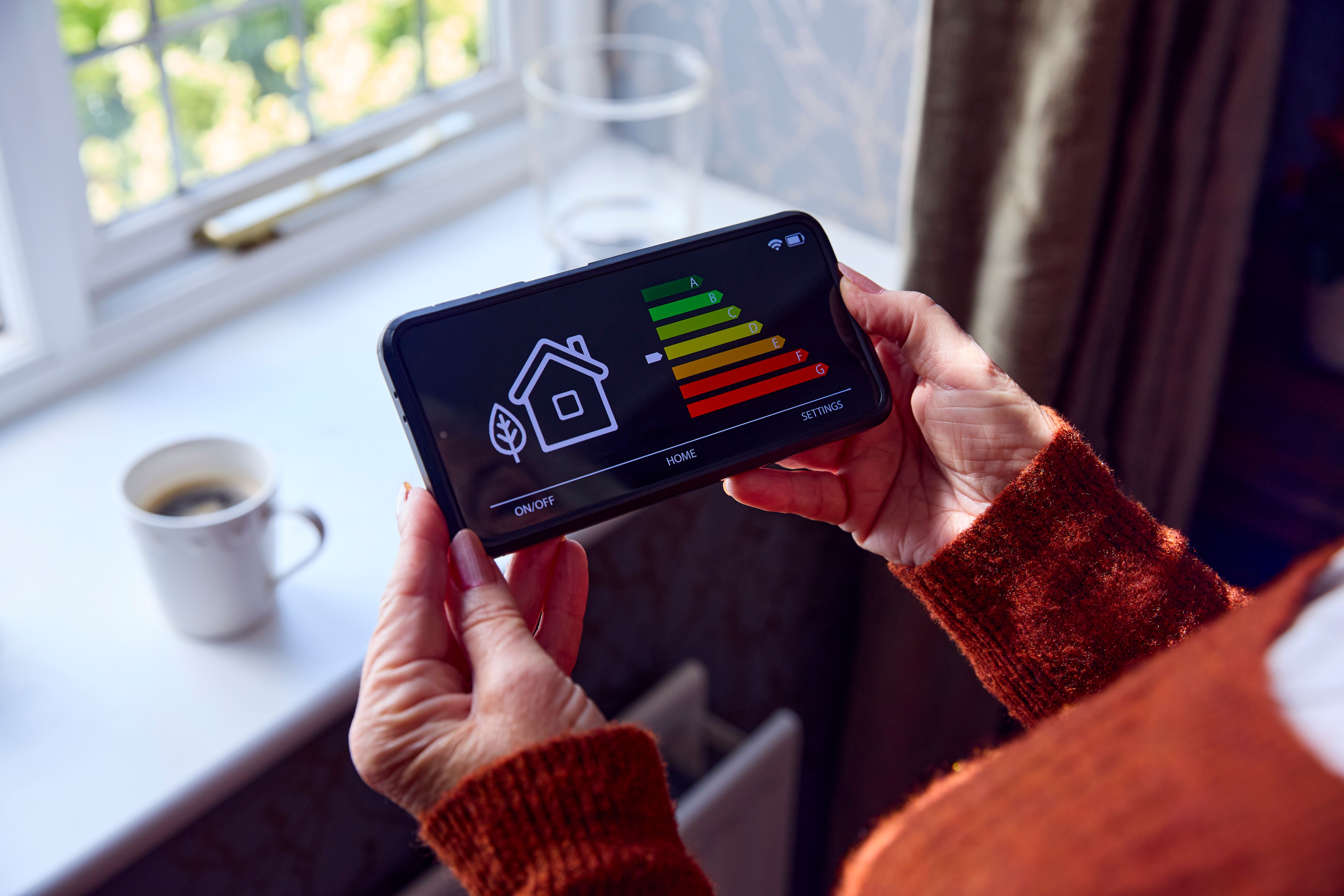
Before the upgrades, many buildings in Chandler were reliant on outdated HVAC systems that consumed excessive energy. These systems not only led to high utility bills but also contributed to increased carbon footprints. The challenge was to find a solution that would be both cost-effective and environmentally friendly.
Stakeholders were concerned about the initial investment and the potential disruption caused by the upgrade process. However, the long-term benefits promised to outweigh these concerns, driving the decision-making process forward.
Implementation Strategies
The project involved several key strategies to maximize energy savings:
- Energy Audits: Comprehensive audits were conducted to identify inefficiencies and areas for improvement.
- Smart Thermostats: Installation of programmable thermostats allowed for better control over heating and cooling, adapting to usage patterns.
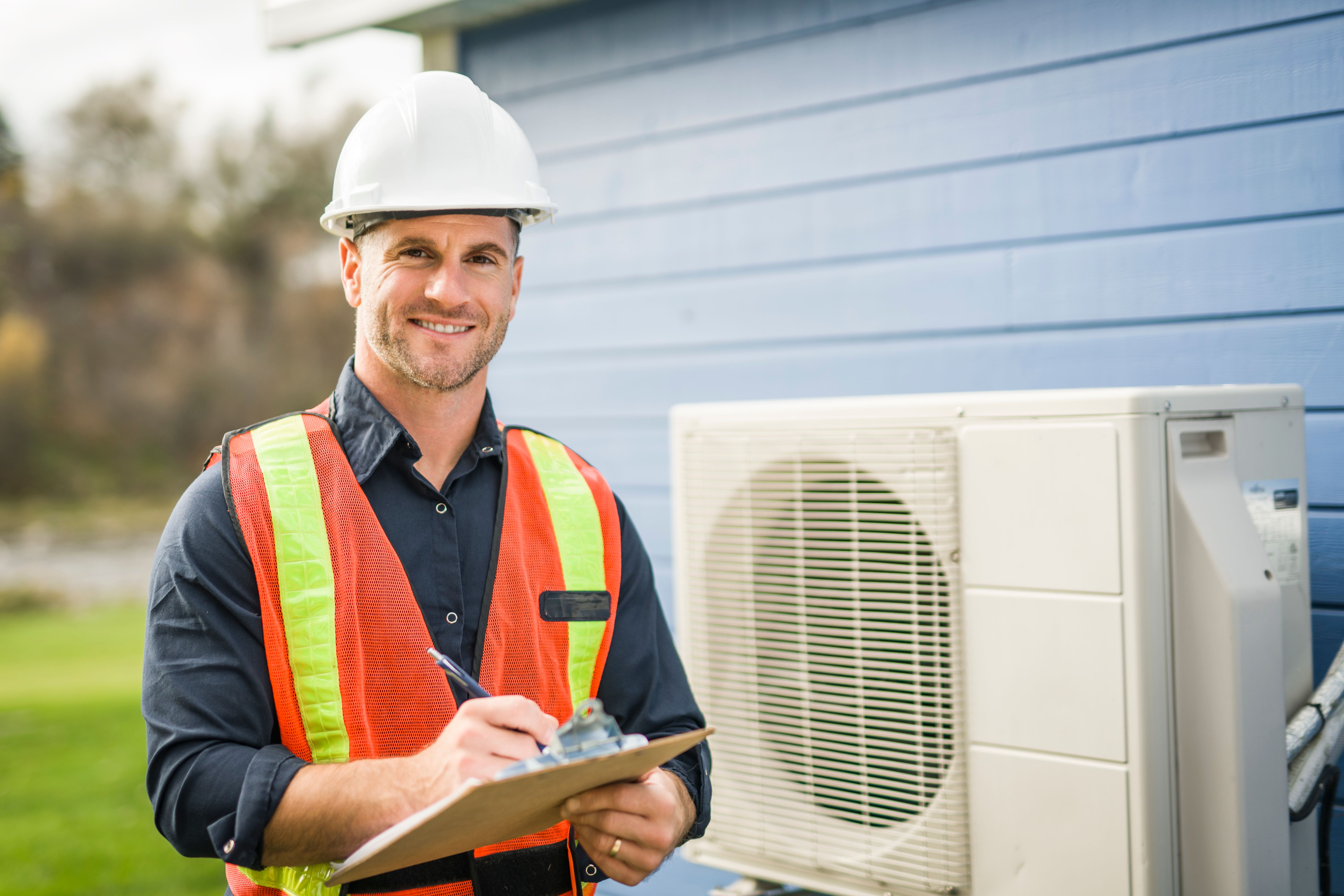
- System Upgrades: Replacement of old units with high-efficiency models reduced energy consumption significantly.
Integration of Renewable Energy Sources
In addition to upgrading HVAC systems, the integration of renewable energy sources, such as solar panels, provided a sustainable power supply. This not only reduced reliance on traditional energy but also contributed to further cost savings.
By harnessing the power of the sun, buildings could operate more sustainably, making use of clean energy to power their heating and cooling systems.
Results and Benefits
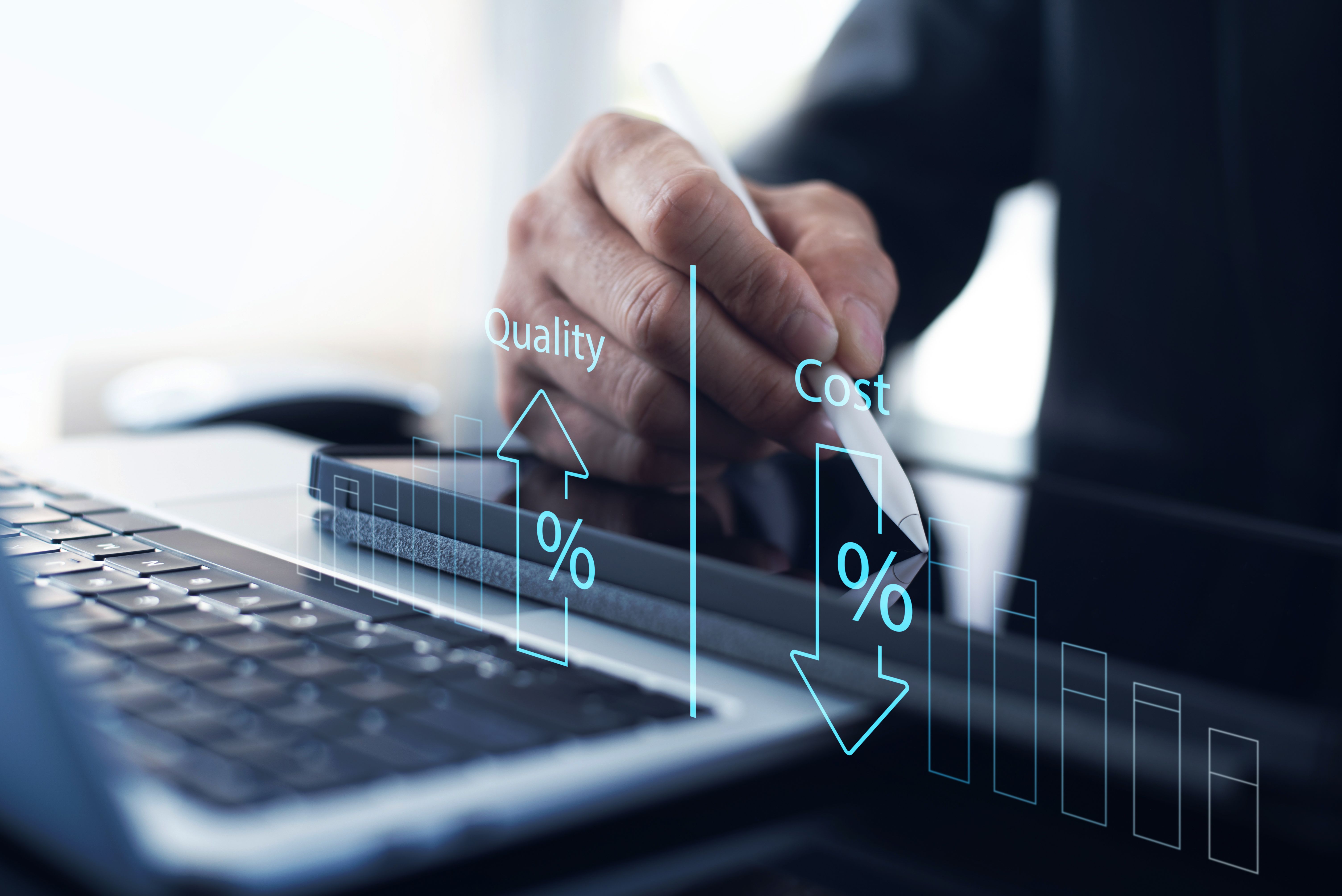
The results of the project were remarkable. Energy consumption was reduced by up to 30%, leading to substantial cost savings on utility bills. Furthermore, the reduction in energy usage contributed to a decrease in the overall carbon footprint, aligning with environmental sustainability goals.
Enhanced Comfort and Air Quality
Beyond energy savings, the upgraded systems provided improved indoor air quality and enhanced comfort for occupants. With better temperature regulation and cleaner air, the living and working environments became more pleasant and healthier.
The introduction of smart technology also allowed for more personalized comfort settings, catering to the specific needs of different spaces and occupants.
Conclusion
The successful HVAC upgrades in Chandler serve as a compelling example of how modern technology and strategic planning can lead to significant energy savings. By investing in efficient systems and integrating renewable energy, both businesses and homeowners can enjoy reduced costs and a more sustainable future.
As energy efficiency becomes increasingly important, this case study offers valuable insights for those looking to make impactful changes in their own facilities. The benefits are clear, and the path to achieving them is now more accessible than ever.