DIY Tips for Minor Walk-In Freezer Troubleshooting


Understanding the Basics of Walk-In Freezer Troubleshooting
Walk-in freezers are essential for many businesses, from restaurants to grocery stores. However, like any appliance, they can occasionally encounter issues. Knowing how to troubleshoot minor problems can save time and money. In this guide, we'll cover some DIY tips to address common issues.
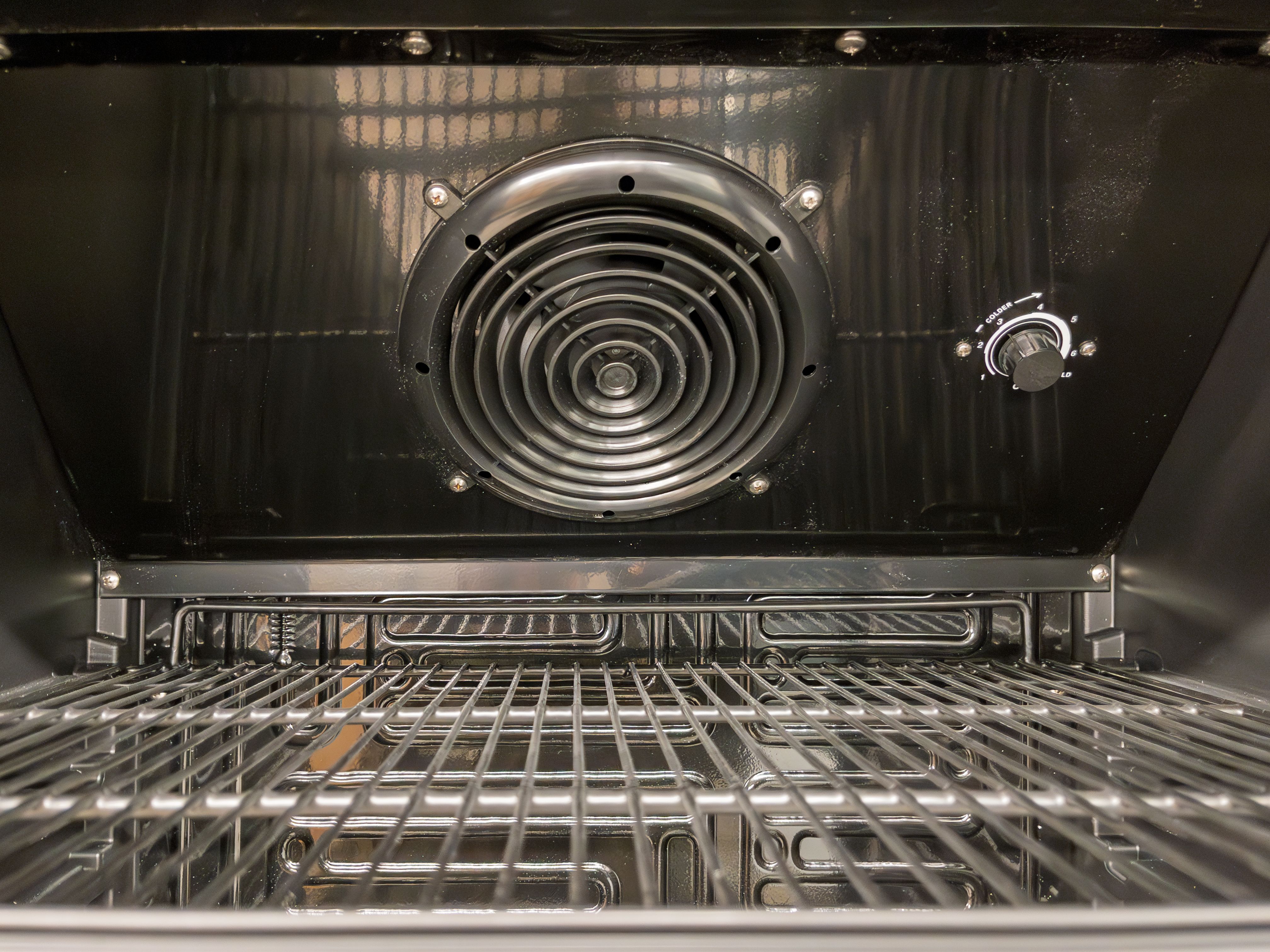
Checking the Temperature Settings
One of the first things to check if your walk-in freezer is not cooling properly is the temperature setting. Ensure that it is set to the manufacturer-recommended level. Sometimes, a simple adjustment can solve the problem.
If the temperature setting is correct but the freezer is still not cold enough, consider checking the thermostat for any signs of damage or wear. A faulty thermostat might need to be replaced to restore optimal function.
Inspecting the Door Seals
Ineffective door seals can lead to temperature fluctuations. To check the seals, close the door on a piece of paper and try to pull it out. If it slides out easily, the seals might be worn and require replacement. Good seals ensure energy efficiency and consistent cooling.
Regularly cleaning the seals can also prevent problems. Use a mild detergent and warm water to remove any dirt or debris that could compromise the seal's effectiveness.
Monitoring the Evaporator and Condenser Coils
The evaporator and condenser coils play a crucial role in the cooling process. Dust and dirt can accumulate on these coils, reducing efficiency. It's advisable to clean these coils every six months to maintain optimal performance.
Use a soft brush or vacuum cleaner to gently remove any dust or debris. Be careful not to damage the delicate fins of the coils during cleaning. Maintaining clean coils can prevent many cooling issues.
Checking for Ice Build-Up
Ice build-up can obstruct airflow and affect the freezer's performance. Regularly check for excessive ice accumulation inside the freezer. If you notice significant ice build-up, it might indicate a defrost system issue.
To address this, manually defrost the freezer by turning it off and allowing the ice to melt. Once defrosted, check if the defrost heater or timer is functioning correctly. These components may need professional attention if they are faulty.

Listening for Unusual Noises
Unusual noises can be an early indicator of mechanical problems. Listen for any strange sounds coming from the motor or fan. A rattling noise might suggest a loose component, while a buzzing noise could indicate an electrical issue.
If you identify any abnormal sounds, inspect the motor and fan for loose parts. Tightening screws or replacing worn-out parts might resolve the issue. However, for electrical problems, it's best to consult a professional.
When to Call a Professional
While many minor issues can be resolved with DIY troubleshooting, there are times when professional help is necessary. If the problem persists after trying these tips, or if you suspect an electrical fault, it's crucial to contact a qualified technician.
Regular maintenance and prompt attention to minor issues can extend the life of your walk-in freezer, ensuring it remains a reliable asset for your business.